Introduction
Growing up kind of comes with so many changes, and honestly one of the most important is menstruation . Still, a lot of girls end up reaching their first period without really knowing what to expect, like not even in a basic way. That’s why parents are kind of right in the center of it all, helping their daughters understand what’s going on inside their own bodies. By keeping open, ongoing conversations around Menstrual Hygiene Tips, girls can start to feel more confident, more informed and generally safer or healthier overall.
Why does it matter to talk about menstruation, at all?
A lot of girls can feel nervous or embarrassed, especially during that first period. Sometimes it happens because nobody fills in the blanks in time, or it gets dealt with in a hurry, with half answers, and not the proper details.
And when parents talk openly about menstruation, it tends to calm that fear down. It also clears up a lot of that jumbled confusion . Girls start to slowly realize that periods are just normal, everyday body stuff, not some private secret that needs to be locked away somewhere in a corner.
Those conversations help build a bond, with trust. After that, it’s less awkward for daughters to ask questions, particularly when they need advice or steady guidance later on.
Essential menstrual hygiene tips every girl should know
Parents tell their daughters a few simple menstrual hygiene tips, because it protects their health, and it also makes everything feel less confusing. For example, when they’re on their period:
- Change sanitary pads every 4–6 hours, or as soon as it’s needed.
- Wash hands before and after changing the pad.
- Rinse the intimate area with plain water , then just keep it dry.
- Put on fresh and comfy underwear, really keep it clean.
- When you’re done use the sanitary products, throw them away in the proper way so it doesn’t cause issues.
- During the days of periods, eat well and drink enough water.
If girls do these small daily habits, they can lower the risk of infections, and they can feel calmer during their menstrual cycle too.
The role of women’s health and hygiene education
Women’s health and hygiene education isn’t only about periods. It’s also about other major bits of everyday life, like keeping clean the correct ways, getting a clearer understanding of how the body works, and knowing what to do when something seems off. Really, it’s more like pointing girls toward self care, helping them pick up on usual changes , and encouraging medical help when they feel uneasy. When parents bring up these topics at home, daughters often feel more at ease, and they end up making smart habits that last for a long time, even long after school ends.
How Project Kishori Supports Adolescent Girls
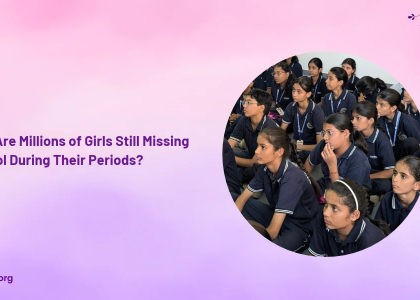
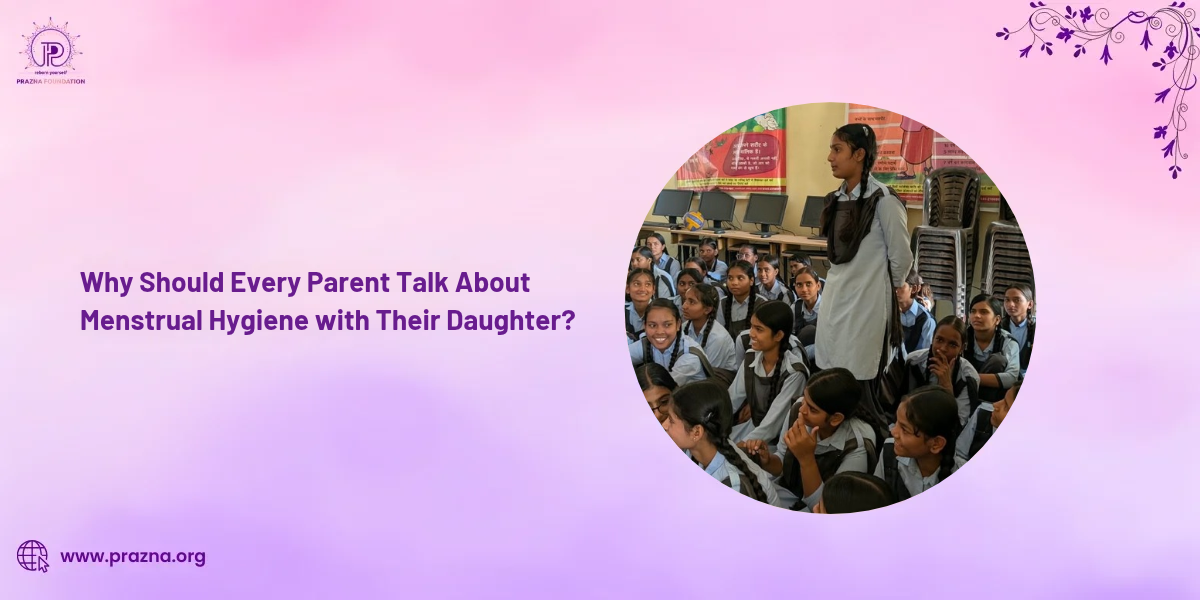
Project Kishori, like other similar initiatives, helps spread awareness about menstrual health for adolescent girls. There are educational sessions, hygiene awareness and life skills training; all of it is meant to encourage the girls to understand menstruation without fear or shame. These programs also push motivation inside families so they can have open discussions about menstrual health.
How a women’s health NGO can actually make a difference, for real, not just in theory
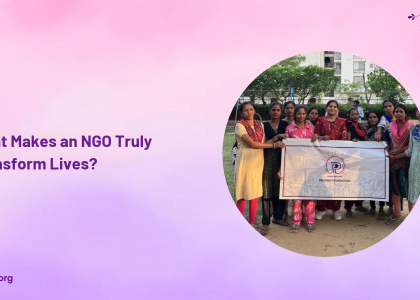
A women’s health NGO does a real job in terms of raising awareness around menstrual hygiene, you know. Most of the time, these kinds of orgs run workshops, they hand out hygiene products, and then they speak with girls, plus also with parents, about safer menstrual practices. And in that same flow, they tackle myths, make it simpler to get menstrual products, and in a wider sense try to nudge communities toward better well being. It can feel minor at first, like “what difference can this be,” but honestly it usually compounds over time.
Conclusion
Talking about menstruation should not feel awkward at all, seriously. When parents share basic Menstrual Hygiene tips, they can help their daughters get ready for this natural stage of life with confidence and a good deal of care. Because of support from initiatives like Project Kishori, there is slowly more awareness around Women’s Health & Hygiene, and also the work done by an NGO for Women’s Health. As these efforts continue, things are improving little by little, so later on every girl feels more informed, more respected, and really empowered to manage her menstrual health with dignity.
FAQs
- Why should parents talk about menstruation before their daughter gets her first one ?
When a girl understands what’s coming, she feels less nervous , and not so confused either . A quick, calm conversation beforehand can make her see menstruation as just a normal part of growing up.
- Which menstrual hygiene habits should every girl follow ?
Every girl should use a clean sanitary product, swap it at the right time, wash hands regularly, keep the intimate area neat and eat wholesome meals. Those small routines support good menstrual wellbeing over time.
- How can parents make talks about menstruation easier ?
Parents might pick a calm moment, use plain words, and answer the questions clearly ,so it doesn’t feel awkward or like the periods are embarrassing. If the mood is steady and respectful, daughters usually feel more comfortable to return with questions, whenever they need support later on.
- What is the purpose of Project Kishori ?
Project Kishori is meant to boost awareness among adolescent girls by sharing guidance on menstrual hygiene, nutrition, health, and personal development. The goal is so they can make informed choices. - How do NGOs help improve women’s health and hygiene ?
Many NGOs for women’s health organize awareness drives, health camps, and learning sessions that encourage safer hygiene habits. A lot of organizations also help girls and women get access to menstrual hygiene products as well as dependable health information.